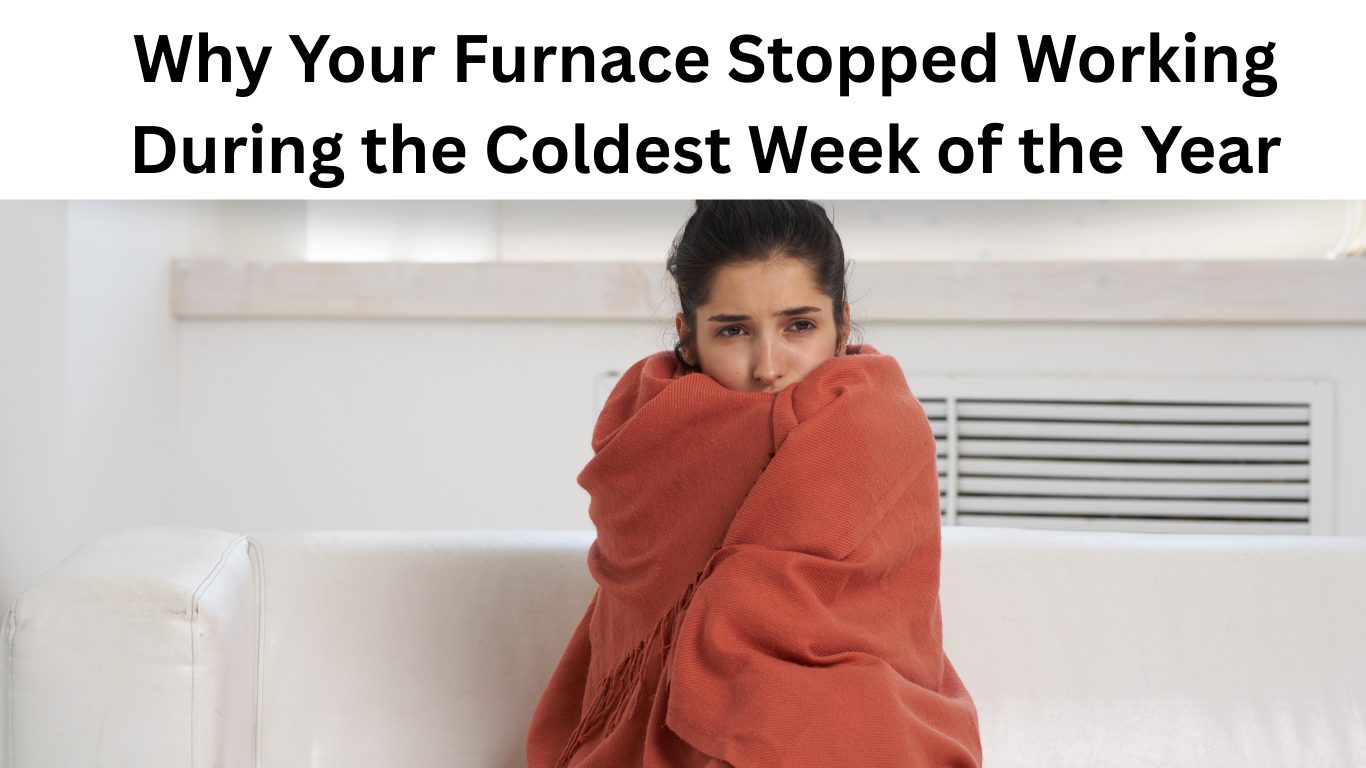
When your furnace stopped working in cold weather—especially during the coldest week of the year—it’s more than an inconvenience. It can quickly become a safety concern. Extreme low temperatures strain your HVAC system, and any small issue can turn into a full shutdown just when you need heat the most.
At Superior AC & Heat, we see a surge of emergency calls during Texas cold snaps from homeowners whose heating systems unexpectedly quit. Let’s break down the most common causes, what you can do right away, and when to call a professional.
One of the most common causes of furnace failure during extreme cold is frozen exhaust or intake pipes. High-efficiency furnaces use PVC piping to vent air. In freezing conditions, moisture in these pipes can freeze and block airflow, causing the system to shut down for safety.
Look for visible frost or ice buildup near the outdoor vent. If you find it, gently clear the ice with warm water or a hair dryer and restart the system. For more details, read our guide on frozen furnace pipes.
When temperatures plummet, your furnace runs more frequently. If the air filter is dirty or clogged, airflow becomes restricted, causing your system to overheat and shut down.
A simple filter change can often get your system back up and running. Ideally, you should replace filters every 1–3 months, especially during heavy usage.
Sometimes the issue isn’t the furnace—it’s the thermostat. During extremely cold periods, older thermostats can lose calibration or develop battery issues, causing them to misread room temperature or fail to signal the furnace to turn on.
Try the following:
You may also want to consider upgrading to a smart thermostat for more reliable control in extreme temperatures.
Furnaces are equipped with high-limit safety switches that shut down the system if temperatures inside get too hot. Overheating can result from blocked vents, dirty filters, blower motor failure, or internal part wear.
Check that all vents are open and unobstructed. If airflow seems weak or inconsistent, or if the furnace is making unusual noises, you may need a professional inspection. Learn more in our post on why your furnace turns off before heating the house.
In very cold conditions, ignition components like spark igniters or thermocouples can fail due to wear or exposure to moisture. On older systems, a pilot light may go out and fail to relight.
Signs of ignition failure include:
Relighting the pilot or resetting the igniter may fix the issue temporarily, but if it keeps happening, service is needed.
High-efficiency furnaces produce condensation that drains away from the unit. In extreme cold, the condensate line can freeze, causing water backup and automatic shutdown.
If you see water pooling near your furnace or hear gurgling sounds, this could be the cause. Gently warm the pipe or insulate it to prevent further freezing.
During periods of high heating demand, it’s possible for the furnace’s circuit to trip. This can be caused by an overloaded breaker, power surge, or internal electrical fault.
Check your breaker panel and reset any tripped switches. If it trips again, there may be a wiring issue, failing component, or overloaded circuit.
If your furnace stopped working in cold weather and basic troubleshooting doesn’t solve it, don’t wait. Delaying repairs during a freeze can damage your furnace or risk your family’s safety.
Call an HVAC technician immediately if:
Our team at Superior AC & Heat is trained to respond quickly, even during the busiest parts of winter.
The best way to prevent a breakdown during a cold snap is regular maintenance and early inspection. Schedule a furnace tune-up before cold weather hits, and keep filters fresh all season.
When your furnace stops working in the cold, don’t panic. Use this guide to check common causes, and if you still have trouble, call us right away. We’ll restore your heat and peace of mind fast.
For more tips on heating system safety and winter performance, visit Energy Saver’s official guide.

When you choose our team to install a new furnace for your home, you can rest assured that the technician sent to assist you is a highly trained expert who will ensure 100% satisfaction. We are always happy to recommend the most affordable and effective solutions for your home or office. Ask us about any of our services today!
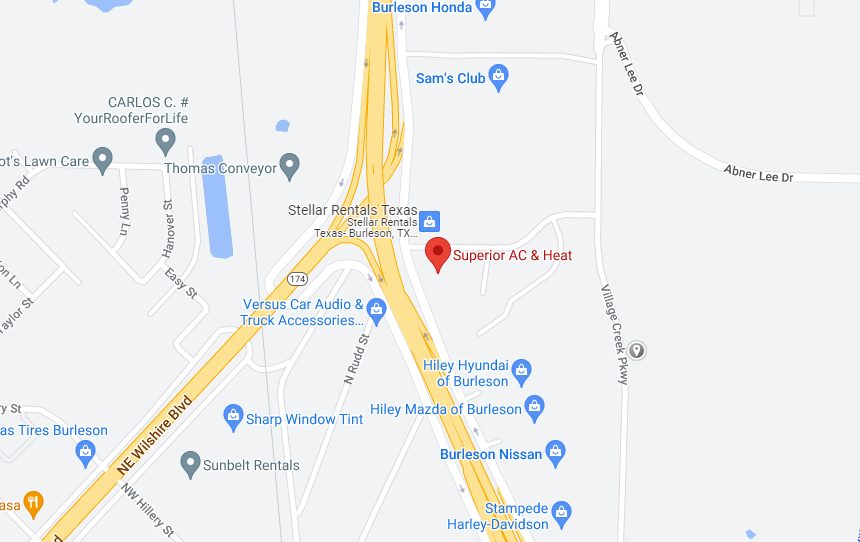
We are an established, licensed company serving Burleson, TX and the greater Fort Worth metroplex. Our experienced HVAC pros follow all safety and efficiency standards as defined by the State of Texas, as well as local building codes, and we carry a blanket insurance policy that protects your family’s home.
LICENSE#TACLB14337E
© 2026 All rights reserved, Superior AC & Heat | Designed by NickelSEO.com design team | Terms & Conditions | Privacy Policy