Texas is known for its unpredictable weather, but when hard freezes hit, the effects on your home can be devastating—especially for your heating system. Furnace damage from Texas winter freezes often goes unnoticed until your system breaks down in the middle of a cold snap. By then, repair costs can skyrocket and comfort is already compromised.
At Superior AC & Heat, we’ve seen how brutal winter weather takes a toll on HVAC systems across North Texas. Many problems develop slowly, hidden behind walls or inside your unit—only showing symptoms when you need your furnace the most.
While furnaces are built to handle cold, extreme and sudden drops in temperature—especially below 25°F—can stress your system in surprising ways. One of the biggest culprits is frozen or blocked intake and exhaust pipes, which can force your system to shut down.
Moisture buildup during cold snaps can freeze and block these exterior PVC pipes, leading to:
Read more on how this works in our post on frozen furnace intake or exhaust pipes.
Cold air entering a dormant system during long freezes can cause the metal heat exchanger to expand and contract rapidly when the furnace finally kicks on. Over time, this stress can lead to cracks—a major safety issue.
Cracked heat exchangers can leak carbon monoxide into your home and often require total replacement of the furnace. It’s a costly and dangerous problem that starts quietly but escalates fast.
If your furnace has been through multiple winters without inspection, it’s time to have the heat exchanger checked.
Moisture from freeze-thaw cycles can corrode electrical components, especially in older systems. Sensors and ignition switches can fail after exposure to extreme conditions, leading to inconsistent startups or complete shutdowns.
During a cold snap, if your furnace tries to start but won’t ignite—or if it starts and quickly shuts off—this could be a sign that internal components have been damaged.
These issues often surface in February or March, when your system has already been working hard for weeks.
During freezing weather, homeowners tend to close off rooms or cover vents to conserve heat—but this can lead to reduced airflow, overheating, and eventual system strain. Combine that with neglected air filters, and your furnace is forced to work harder under worse conditions.
A clogged filter restricts airflow and causes the furnace to overheat, triggering safety shutoffs. This repeated strain wears down the system and increases the risk of mid-winter failure.
Visit our article on how annual furnace maintenance saves you money to understand how regular care protects against freeze damage.
In some cases, extreme cold can cause the materials around your ductwork—especially in attics and crawlspaces—to expand and contract. Over time, this movement can loosen connections and create gaps, leading to heat loss and reduced efficiency.
Leaky ducts don’t just waste energy—they make your furnace work harder to maintain the set temperature. This prolonged strain increases wear on motors, blowers, and other components.
Some furnace problems don’t show up until weeks—or even months—after a freeze. Keep an eye out for these signs:
If any of these issues appear after a freeze, it’s worth scheduling a system inspection.
Texas weather may be unpredictable, but preparation isn’t. Here are two simple ways to defend your system:
Want a full checklist to protect your furnace from cold weather? Check out Energy Saver’s winter home prep guide.
When your furnace is silently suffering from Texas winter freeze damage, Superior AC & Heat is here to help. We offer full inspections, emergency repairs, and seasonal maintenance services to protect your system from future cold snaps.
Don’t let hidden problems sneak up on you—get ahead of the next freeze with professional service from our experienced team. We’ll make sure your system is ready to keep you warm when it matters most.


When you choose our team to install a new furnace for your home, you can rest assured that the technician sent to assist you is a highly trained expert who will ensure 100% satisfaction. We are always happy to recommend the most affordable and effective solutions for your home or office. Ask us about any of our services today!
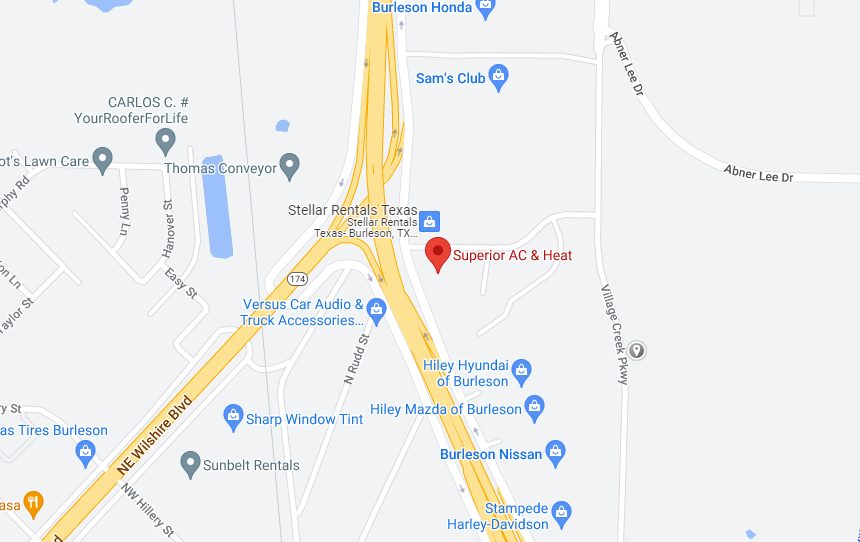
We are an established, licensed company serving Burleson, TX and the greater Fort Worth metroplex. Our experienced HVAC pros follow all safety and efficiency standards as defined by the State of Texas, as well as local building codes, and we carry a blanket insurance policy that protects your family’s home.
LICENSE#TACLB14337E
© 2026 All rights reserved, Superior AC & Heat | Designed by NickelSEO.com design team | Terms & Conditions | Privacy Policy