A cracked heat exchanger in your furnace is more than just a mechanical problem—it’s a serious safety concern. The heat exchanger is responsible for transferring heat from the combustion process to the air that circulates through your home. When this component cracks, it can allow dangerous gases like carbon monoxide to leak into your living space, posing significant health risks. Recognizing the signs of a cracked heat exchanger and addressing the issue promptly is essential to protecting your family’s safety and maintaining a reliable heating system.
Understanding why heat exchangers crack can help you take preventative measures to avoid this issue. Over time, wear and tear from repeated heating and cooling cycles can weaken the metal. Other contributing factors include:

A cracked heat exchanger often shows warning signs that homeowners should never ignore. These indicators can range from operational issues with your furnace to physical symptoms experienced by the people in your home.
If you notice any of these symptoms, it’s crucial to act immediately to protect your family and your home.
While some signs of a cracked heat exchanger are visible, confirming the issue requires a thorough inspection. Here’s a detailed list of steps involved in diagnosing this problem:
Ignoring a cracked heat exchanger can lead to dangerous consequences. Carbon monoxide leaks are life-threatening, and prolonged exposure can cause serious health issues. Additionally, a damaged heat exchanger reduces furnace efficiency, leading to higher energy bills and increased wear on other components.
At Superior AC & Heat, we prioritize your safety and comfort. Our trained technicians specialize in inspecting, repairing, and replacing heat exchangers. If we identify a crack, we’ll guide you through the next steps, whether it’s a repair or a full furnace replacement, ensuring your home remains safe and warm.
We provide comprehensive furnace inspections to detect heat exchanger issues early. Our services include:
Your safety is our top priority. If you suspect a cracked heat exchanger, don’t wait to take action. Contact Superior AC & Heat for professional inspections, repairs, and peace of mind. Let us help you keep your ho

When you choose our team to install a new furnace for your home, you can rest assured that the technician sent to assist you is a highly trained expert who will ensure 100% satisfaction. We are always happy to recommend the most affordable and effective solutions for your home or office. Ask us about any of our services today!
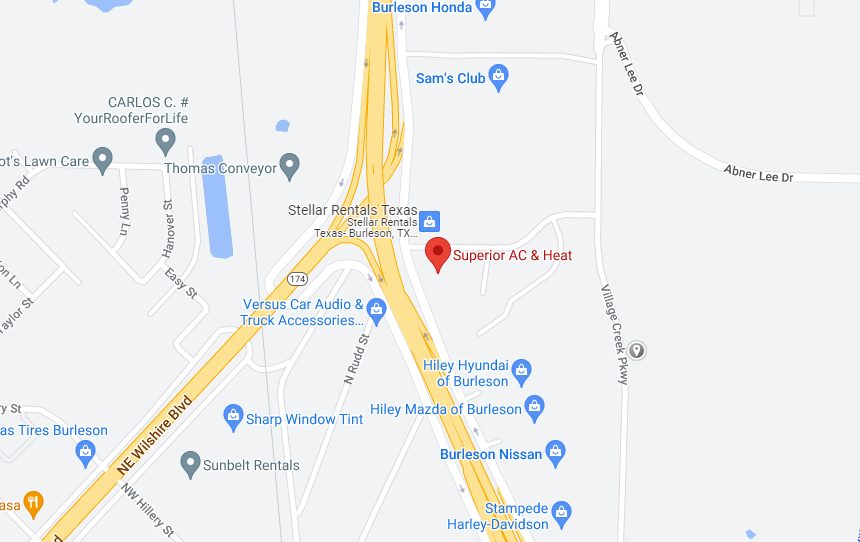
We are an established, licensed company serving Burleson, TX and the greater Fort Worth metroplex. Our experienced HVAC pros follow all safety and efficiency standards as defined by the State of Texas, as well as local building codes, and we carry a blanket insurance policy that protects your family’s home.
LICENSE#TACLB14337E
© 2026 All rights reserved, Superior AC & Heat | Designed by NickelSEO.com design team | Terms & Conditions | Privacy Policy